0341-552180 [email protected]
Hari Kedua ASDF di Manila: Pameran, Ideathlon, dan Presentasi Additive Manufacturing

Hari Kedua ASDF di Manila: Pameran, Ideathlon, dan Presentasi Additive Manufacturing

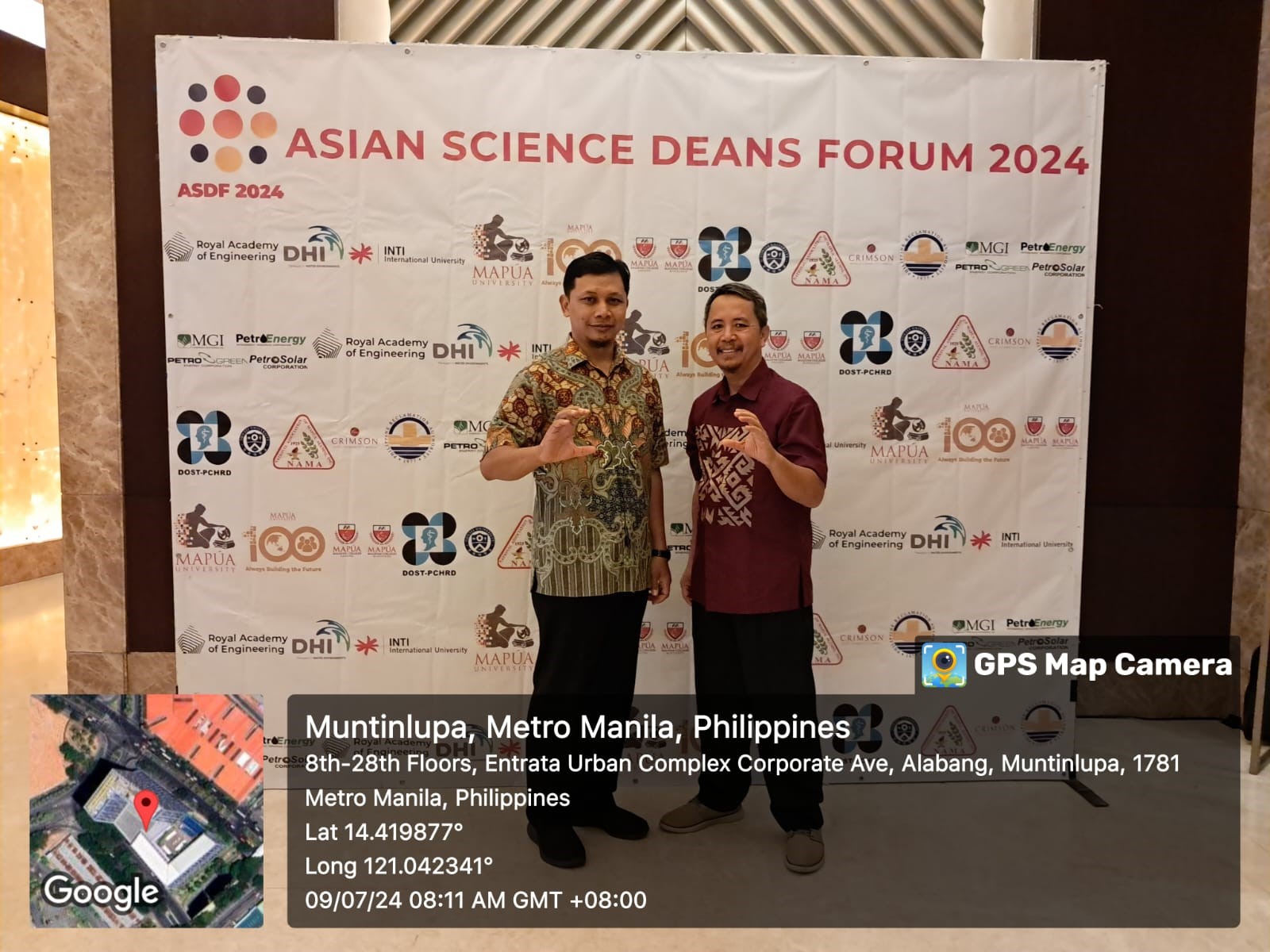
Manila, Filipina – Hari kedua Asian Science Dean Forum (ASDF) yang diselenggarakan di Hotel Crimson Manila dipenuhi dengan kegiatan menarik dan inovatif. Forum yang diorganisir oleh MAPUA University ini menampilkan berbagai acara, termasuk pameran, ideathlon, dan presentasi mengenai additive manufacturing. Delegasi dari FMIPA UM, yang terdiri dari Wakil Dekan III bidang Riset, Inovasi, dan Kerjasama, serta Sekretaris Departemen Kimia, Dr. Husni Wijaya, turut berpartisipasi aktif dalam kegiatan ini.

Pameran dan Research Learning and Immersion Program

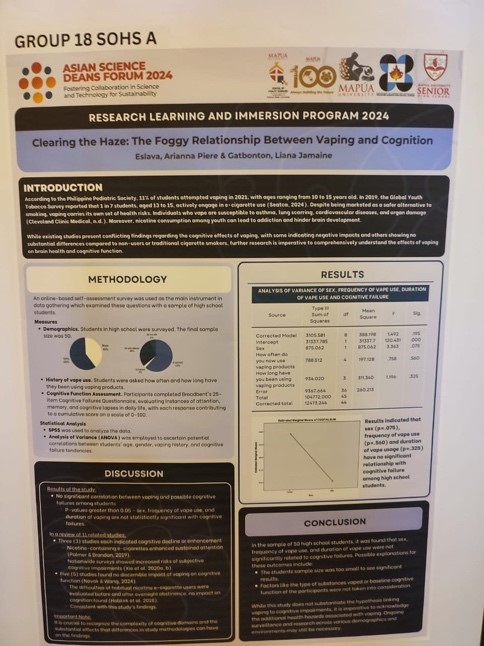
Kegiatan hari kedua dimulai dengan pameran yang menampilkan poster hasil-hasil Research Learning and Immersion Program dari mahasiswa MAPUA University. Program ini merupakan proyek yang menantang mahasiswa untuk melakukan riset secara berkelompok sesuai dengan minat dan subjek yang dipelajari. Pameran ini memberikan kesempatan bagi para peserta forum, termasuk delegasi dari FMIPA UM, untuk melihat berbagai inovasi dan penelitian yang dilakukan oleh mahasiswa, serta berdiskusi langsung dengan para peneliti muda.

Ideathlon: Kompetisi Kreativitas dan Inovasi

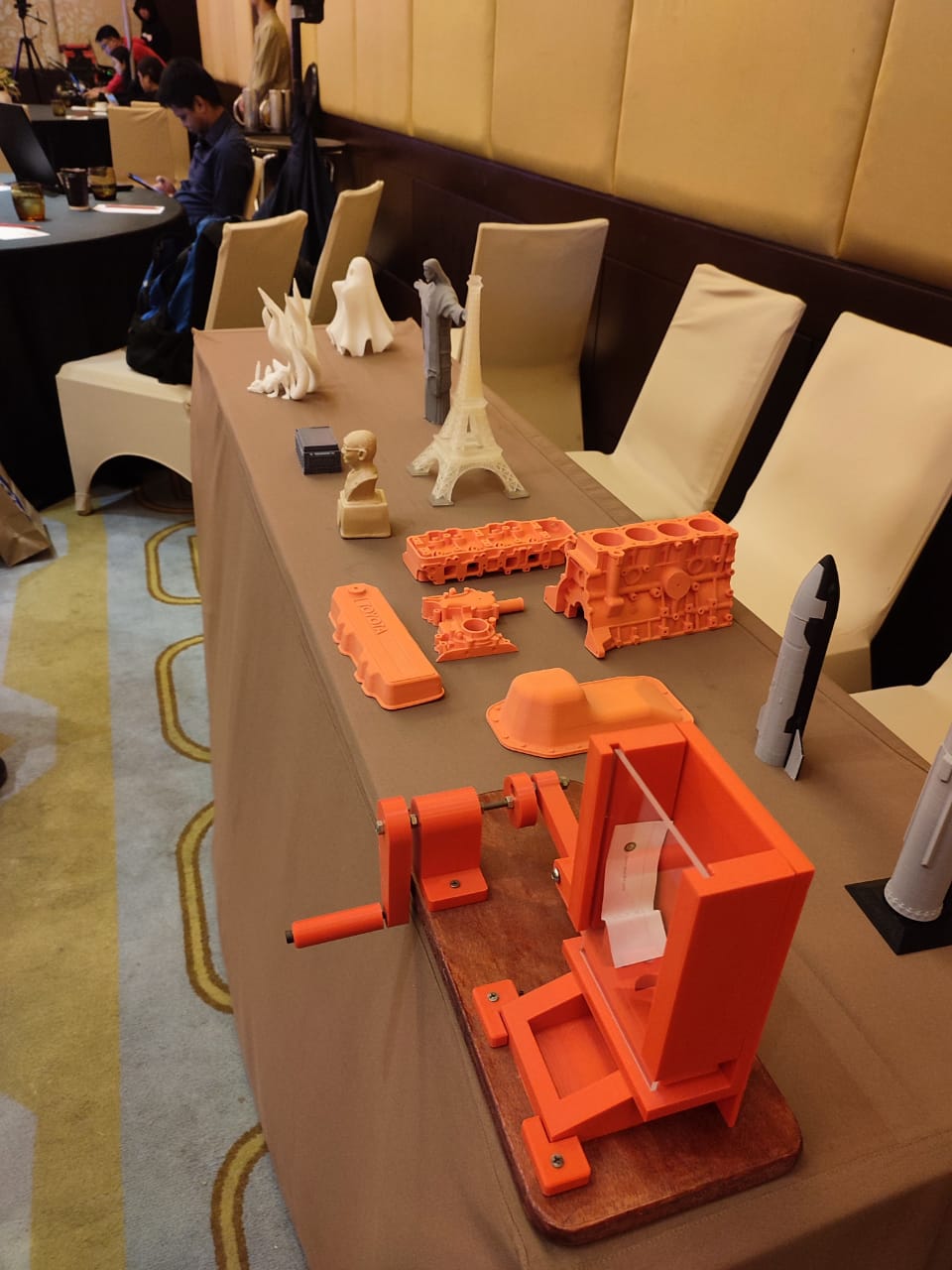
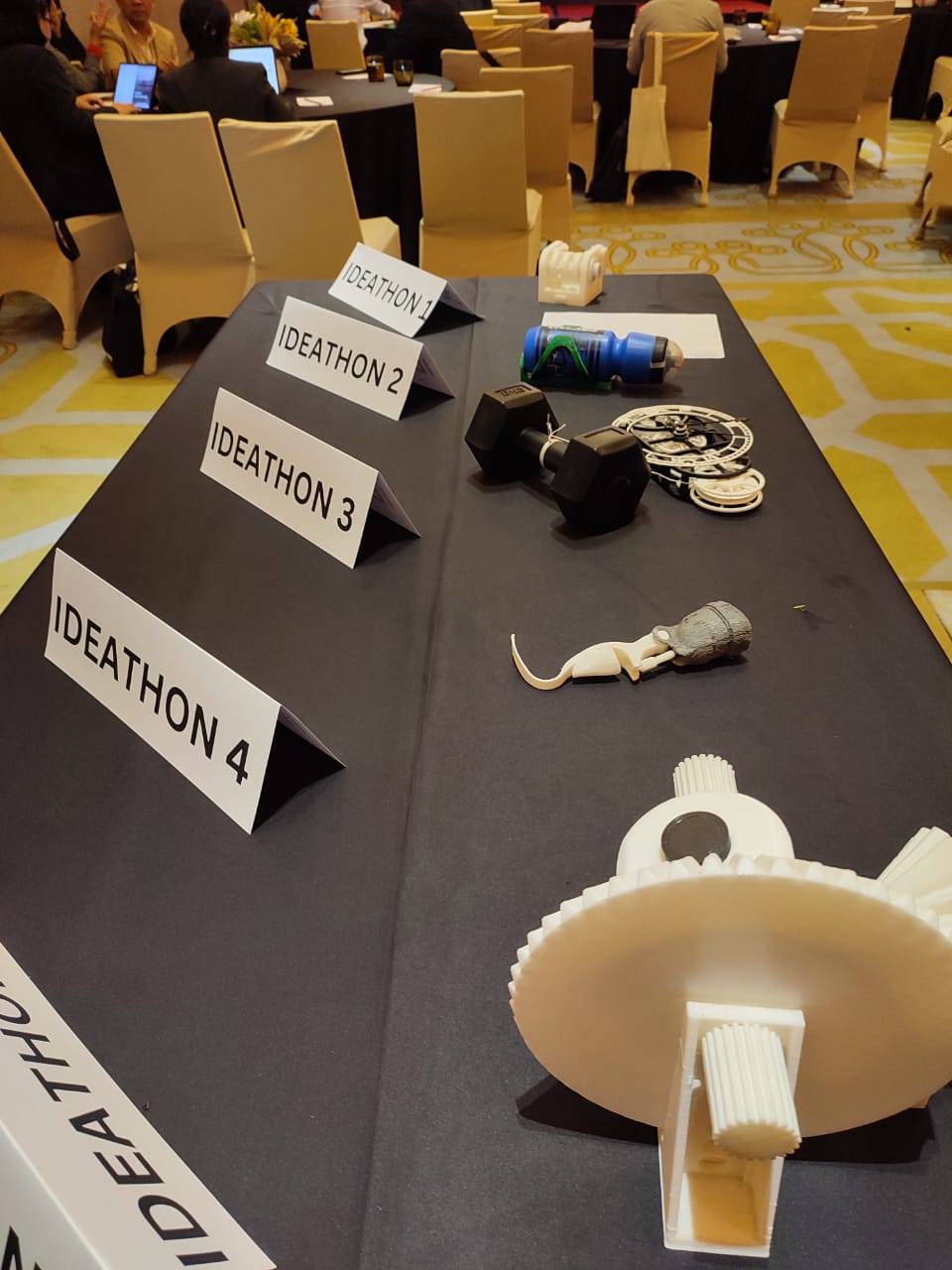
Selanjutnya, acara ideathlon menarik perhatian dengan lomba karya kreatif dalam bentuk prototipe produk baru yang dicetak menggunakan teknologi 3D printing. Ideathlon ini mendorong mahasiswa dan peserta lainnya untuk berpikir out-of-the-box dan menciptakan solusi inovatif yang dapat diterapkan di dunia nyata. Prototipe-prototipe yang ditampilkan menunjukkan potensi besar dalam berbagai bidang, mulai dari kesehatan hingga teknologi informasi.

Presentasi Additive Manufacturing

Bagian lain dari kegiatan hari kedua adalah presentasi mengenai additive manufacturing. Sesi ini terdiri dari serangkaian presentasi yang mencakup berbagai aspek teknologi cetak 3D dan perkembangannya. Beberapa topik presentasi antara lain:

  • Introduction of the Additive Manufacturing
  • 5D Printing Technology: A Futuristic Approach
  • Advanced Manufacturing Center
  • Material Development
  • Philippines National Standards in Additive Manufacturing
  • Machine Learning: Application in Additive Manufacturing

Selain presentasi, pameran printer 3D juga memamerkan berbagai jenis dan kemampuan mesin cetak modern yang digunakan dalam industri manufaktur canggih. Para peserta, termasuk delegasi dari FMIPA UM, mendapatkan wawasan mendalam tentang bagaimana teknologi ini dapat diterapkan untuk meningkatkan efisiensi dan kualitas produk.

Penjurian dan Pengumuman Pemenang Ideathlon

Pada sore harinya, kegiatan dilanjutkan dengan sesi penjurian ideathlon. Para juri yang terdiri dari akademisi dan praktisi industri mengevaluasi prototipe-prototipe yang dipresentasikan berdasarkan kriteria inovasi, aplikasi praktis, dan potensi pengembangan lebih lanjut. Pengumuman pemenang ideathlon menutup rangkaian kegiatan hari kedua dengan penuh antusiasme. Para pemenang mendapatkan apresiasi atas kreativitas dan kerja keras mereka dalam menghasilkan karya yang inovatif.

Penutup

Hari kedua ASDF tidak hanya menjadi ajang pameran dan kompetisi, tetapi juga kesempatan untuk memperkuat jaringan dan kolaborasi di antara para akademisi dan profesional di bidang sains dan teknologi. Kegiatan ini diharapkan dapat memberikan inspirasi bagi semua peserta, termasuk delegasi dari FMIPA UM, untuk terus berinovasi dan berkontribusi dalam perkembangan ilmu pengetahuan dan teknologi di masa depan.

Dalam kesempatan ini, delegasi dari FMIPA UM juga menunjukkan ketertarikan terhadap bagaimana ASDF mengantisipasi perkembangan teknologi dan disrupsi, serta implementasi AI dalam kurikulum. Hal ini menjadi topik diskusi yang menarik dan relevan dalam menghadapi tantangan global di masa depan.
 

FMIPA UM Mengikuti Asian Science Dean Forum di Manila

FMIPA UM Mengikuti Asian Science Dean Forum di Manila

Manila, Filipina – Wakil Dekan III FMIPA UM bidang Riset, Inovasi, dan Kerjasama, bersama dengan Sekretaris Departemen Kimia, Dr. Husni Wijaya, menghadiri Asian Science Dean Forum (ASDF) yang diselenggarakan di Manila. Forum ini diorganisir oleh MAPUA University, Filipina, dan bertempat di Hotel Crimson Manila.

Kegiatan dimulai dengan sambutan dari Executive President bidang Kerjasama Akademik MAPUA University, Dr. Lilibeth D. Sabino. Tema utama dari forum ini adalah “Fostering Collaboration in Science and Technology for Sustainability”. Dalam sesi pembukaan, presentasi pertama disampaikan oleh Seung Hang Park, salah satu pelopor pembentukan ASDS yang kini berkembang menjadi ASDF. Sesi kedua diisi oleh Piere Hoevelt dari DHI Water and Environment, Horsholm, Denmark. Pada sesi berikutnya, Dr. Jaime C. Montoya menyampaikan presentasi terkait Health Research and Ethics in the Philippines. Prof. Dr. Nor Hisham bin Hamid dari University Technology Petronas juga menekankan pentingnya kolaborasi berkaitan dengan sustainability dan renewable energy.

Acara ini juga termasuk welcome dinner pada sore hari, di mana semua peserta mengenakan pakaian tradisional masing-masing, menciptakan suasana kebersamaan dan memperkenalkan budaya dari berbagai negara.

Forum ini menekankan pentingnya kolaborasi di bidang sains dan teknologi untuk mencapai keberlanjutan. Berbagai pemimpin akademik dan ilmuwan dari seluruh Asia hadir untuk berbagi pengetahuan dan menjalin kerjasama yang lebih erat dalam menghadapi tantangan global di masa depan. Pada kesempatan ini, perwakilan FMIPA UM berkesempatan menjalin kerjasama dengan berbagai fakultas sains dari berbagai negara. Beberapa di antaranya adalah Prof. Chm Dr. Goh Joo Cheng, Emily, Head of School Monash University Malaysia, Prof. Madya Dr. Mohd Hariri Bin Arifin dari UKM, Shau-Kwaun Chen, dan Prof. Dr. Santi Maesiri dari Suranaree University of Technology.

Selain itu, muncul ketertarikan dalam diskusi bagaimana ASDF mengantisipasi perkembangan teknologi dan disrupsi, serta implementasi kecerdasan buatan (AI) dalam kurikulum pendidikan sains. Diskusi ini menggarisbawahi pentingnya adaptasi institusi pendidikan terhadap kemajuan teknologi untuk mempersiapkan mahasiswa menghadapi tantangan masa depan.

Forum ini tidak hanya memberikan kesempatan untuk berbagi pengetahuan tetapi juga untuk memperkuat jaringan kolaborasi internasional yang diharapkan dapat memberikan kontribusi signifikan bagi kemajuan sains dan teknologi yang berkelanjutan. Perwakilan FMIPA UM berharap bahwa hasil dari forum ini dapat diterapkan untuk meningkatkan program riset dan inovasi di Universitas Negeri Malang serta memperluas jaringan kerjasama internasional.

Acara ini menjadi bukti komitmen FMIPA UM dalam mendukung perkembangan ilmu pengetahuan dan teknologi melalui kolaborasi global, serta memberikan kontribusi nyata terhadap keberlanjutan di berbagai sektor.

TECHNOLOGY TRANSFER OF ORGANIC WASTE PROCESSING INTO ECO-ENZYMES BY UM BIOTECHNOLOGY LECTURERS FOR SAMAR VILLAGE RESIDENTS ACOMPLISHES SDGS POINTS 13 AND 15

TECHNOLOGY TRANSFER OF ORGANIC WASTE PROCESSING INTO ECO-ENZYMES BY UM BIOTECHNOLOGY LECTURERS FOR SAMAR VILLAGE RESIDENTS ACOMPLISHES SDGS POINTS 13 AND 15

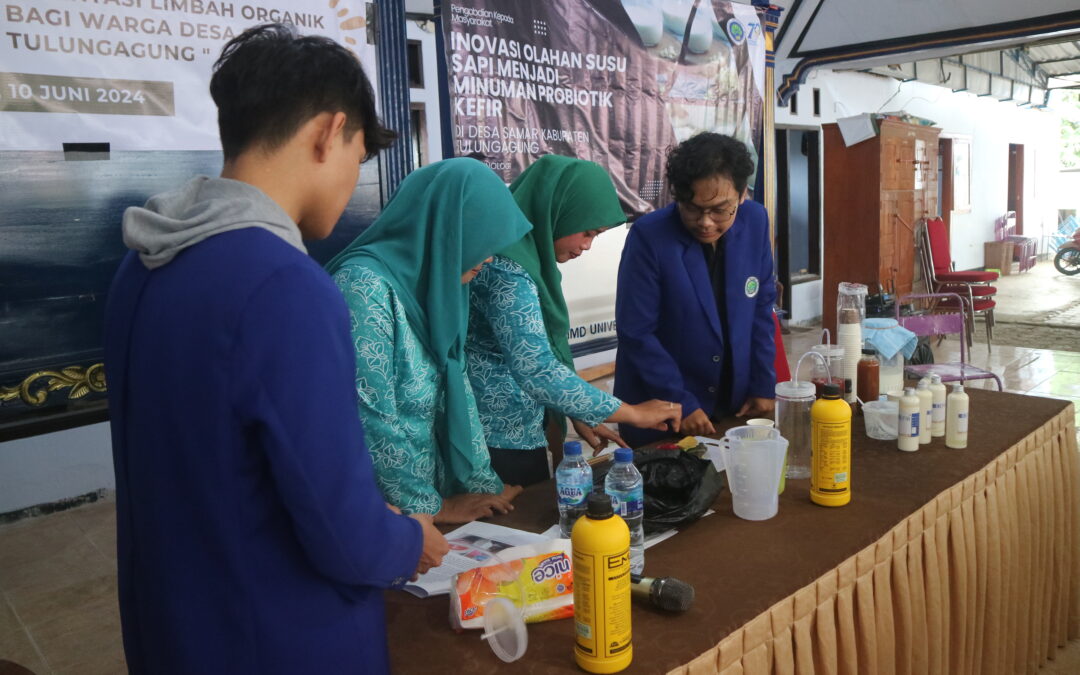
Community service is the implementation of knowledge aimed at addressing societal issues. Universitas Negeri Malang is committed to engaging in these community service activities as part of the Tri Dharma of Higher Education. One of the initiatives has been undertaken by a team of lecturers and students from the Biotechnology Study Program of FMIPA UM in the village of Samar, Tulungagung Regency, where the main training event took place on Monday, June 10, 2024.
As a fostered village of UM, the women of the Samar village PKK group mentioned that, until now, fruit and vegetable waste from daily cooking activities has just been discarded. The Biotechnology Program team from UM saw an opportunity to utilize this organic waste to produce eco-enzymes. “The fermentation technique used in the production of eco-enzymes will result in a brown, acidic liquid that can be used as a multi-purpose solution, ranging from a cleaning agent to an insecticide and even a fertilizer,” said Dr. Norman Yoshi Haryono, the head of the activity team, to the participants.
A positive response was shown by the participants during the dissemination session, where they were directly trained in the relatively easy process of making eco-enzymes. Enthusiasm was also displayed by Mr. Rubik Astono, the Head of Samar Village, who advised all participants of this community service activity, “My hope is that the women can continue making eco-enzymes at home and that this training activity doesn’t end today. Moreover, if the production of eco-enzymes can be coordinated into one of the flagship products of Samar Village,” he concluded. This community service activity, focusing on processing waste into marketable products, represents UM’s support in realizing the Sustainable Development Goals, particularly concerning climate action (point 13) and life on land (point 15).

Invite Jatirejoyoso Villagers to Turn Garbage into Liquid Organic Fertilizer to Support SDGs 3, 7, 8 and 15

Invite Jatirejoyoso Villagers to Turn Garbage into Liquid Organic Fertilizer to Support SDGs 3, 7, 8 and 15

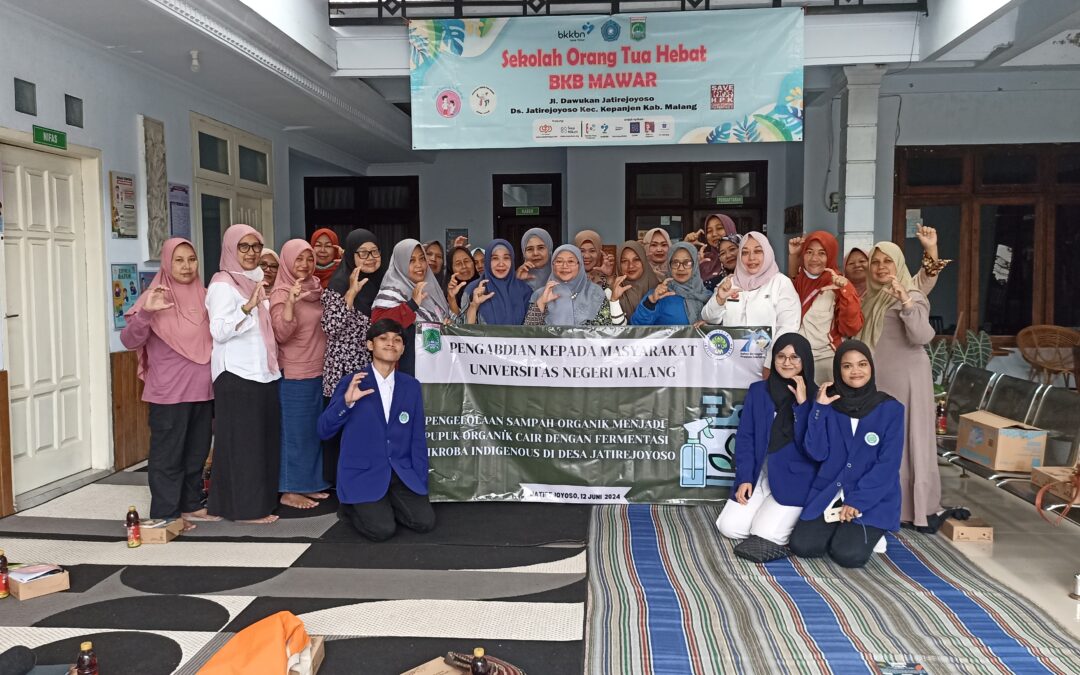
BENEFICIAL: Training Atmosphere of UM in Jatirejoyoso Village, Malang Regency
The Community Service Team of Universitas Negeri Malang (UM), consisting of lecturers and students from the Biotechnology Study Program, Department Applied Science, Faculty of Mathematics and Sciences, held a training on making organic fertilizer from agricultural waste for plant fertilizers in Jatirejoyoso Village, Malang Regency. This activity, which took place at the house of the head of the Family Welfare Empowerment of Jatirejoyoso Village last Wednesday (12/6), was attended by the women of the Family Welfare Empowerment of Jatirejoyoso Village.
Mrs. Didit, as the head of the Family Welfare Empowerment of Jatirejoyoso Village, stated that Jatirejoyoso Village is predominantly inhabited by farmers. Therefore, the training on making organic fertilizer from corn husks and straw waste is very suitable as a skill set for the residents. Until now, corn husks in Jatirejoyoso Village have been limited in use, primarily as animal feed, and have not been used as fertilizer, the same goes for straw, said the Family Welfare Empowerment chairwoman. Hence, the Community Service Team, led by Ratna Juwita Ph.D, innovated by turning corn husk and straw waste into liquid organic fertilizer for environmentally friendly agriculture.
The training activity on making organic fertilizer from agricultural waste also provided new business ideas for the Family Welfare Empowerment women. The Family Welfare Empowerment women in Jatirejoyoso Village, Malang Regency were very enthusiastic about participating in the training and mentoring, as evidenced by the numerous questions asked by the participants. Each participant received a brief tutorial on how to make the organic fertilizer. Ratna hopes that after the training ends, the Family Welfare Empowerment women can practice making organic fertilizer at home and that one day it could become a product of Micro Small and Medium Enterprises in Jatirejoyoso Village. “We provided a set of fermentor equipment and also gave the products we had produced on a small scale to the training participants,” she stated. Ratna also hopes that this training activity can improve the skills of the Family Welfare Empowerment women in Jatirejoyoso Village. “The results of the survey filled out by the participants showed a desire for more training utilizing other village potentials,” she concluded.

BIOTECHNOLOGY STUDY PROGRAM, FMIPA UM TRAINS IN MAKING KOMBUFEE DRINKS FROM COFFEE BEANS TO SUPPORT SDGs 3, 7, 8, and 15

BIOTECHNOLOGY STUDY PROGRAM, FMIPA UM TRAINS IN MAKING KOMBUFEE DRINKS FROM COFFEE BEANS TO SUPPORT SDGs 3, 7, 8, and 15

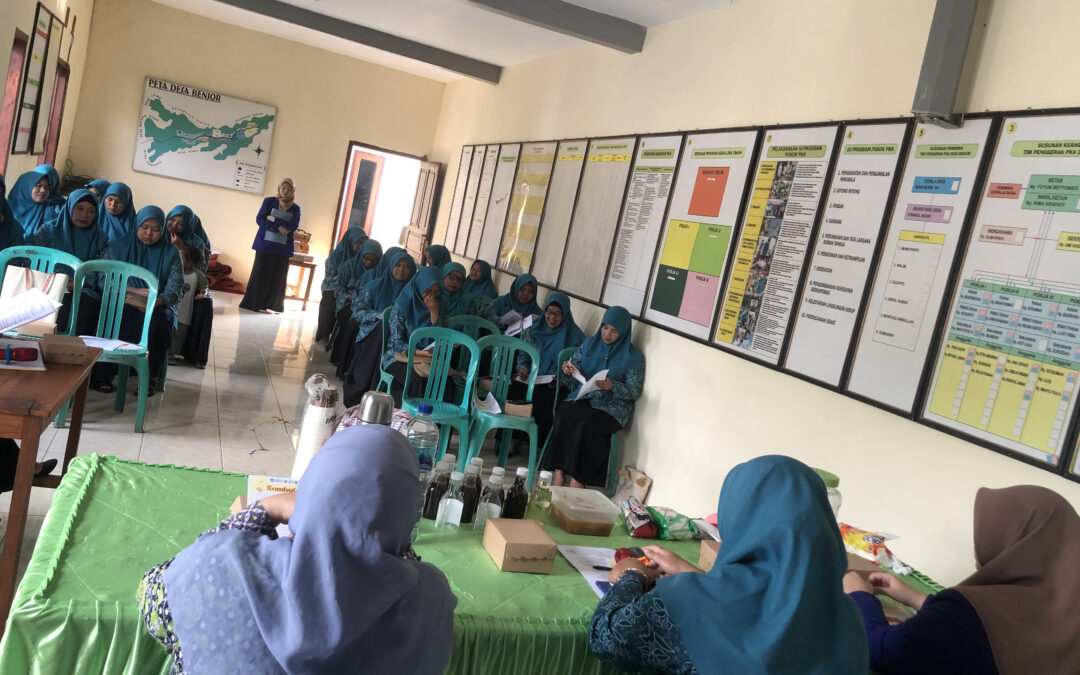
COMMUNITY SERVICE: A team of lecturers and students from Biotechnology Study Program, FMIPA UM trains Family Welfare Empowerment women in Benjor Village, how to make kombufee drinks.
After completing their service in Blitar Regency, the Community Service team of Universitas Negeri Malang moved to Malang Regency. This time, lecturers and students from the Biotechnology Study Program, Faculty of Mathematics and Sciences held training on making kombufee from coffee beans in Benjor Village, Malang Regency. This activity was held at the Benjor Village Hall, last Saturday (15/6) with participants from the Benjor Village Family Welfare Empowerment women. This activity supports SDGs 3, 7, 8, and 15.
Mrs. Yuyun, as the head of the Benjor Village Family Welfare Empowerment, said that Benjor Village is a village that produces coffee beans and sugar cane with the livelihood of its residents as farmers, so training in making kombufee made from coffee beans is very suitable. Especially to provide skills for its citizens. “Until now, the use of coffee beans in Benjor Village is still limited, on average they are only sold in the form of coffee beans and have never been used as a kombufee drink,” she said. For this reason, the Community Service team led by Ratna Juwita Ph.D innovated by making kombufee into a probiotic drink that can be enjoyed anytime and anywhere.
The training on making kombufee from coffee beans also provided new ideas for Family Welfare Empowerment women in entrepreneurship. They were also very enthusiastic about participating in the training activities. This can be seen from the various questions asked by the training participants. Each participant who attended was given a short tutorial on how to make kombufee.
Ratna hopes that after the training ends, Family Welfare Empowerment women can practice kombufee themselves at home and hope that one day it can become a product of the Micro Small and Medium Enterprises in Benjor Village. “We also provide our products which we have produced ourselves on a small scale to training participants,” she said.


Chat